Understanding the boundary between DIY and professional help
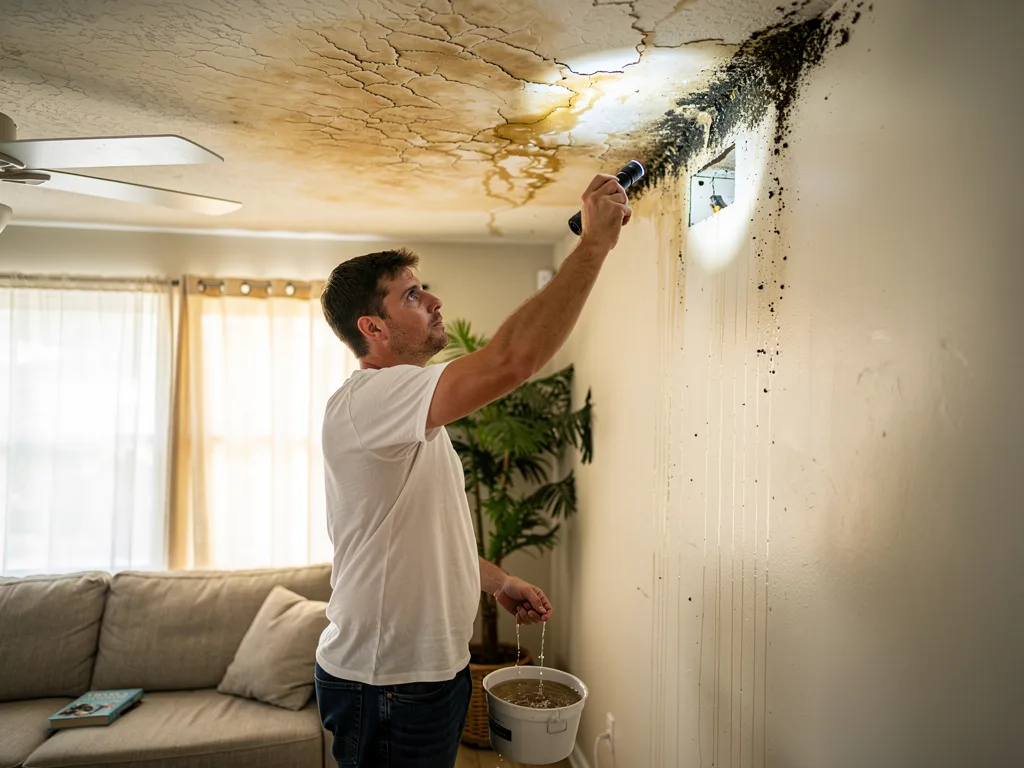
Many Florida homes experience moisture from rain, floods, or plumbing issues. Small surface stains might be tackled with basic cleaning, but once water has penetrated walls or insulation, a restoration specialist should step in. The aim is to prevent hidden damage and mold growth, which DIY efforts may miss.
As a rule, if you see water saturation, warped materials, or a musty smell that won’t go away after cleaning, it’s time to call a restoration specialist. Florida crews are equipped to assess humidity, locate hidden pockets, and create a safe drying strategy that protects the home long term.
What you can tackle yourself safely
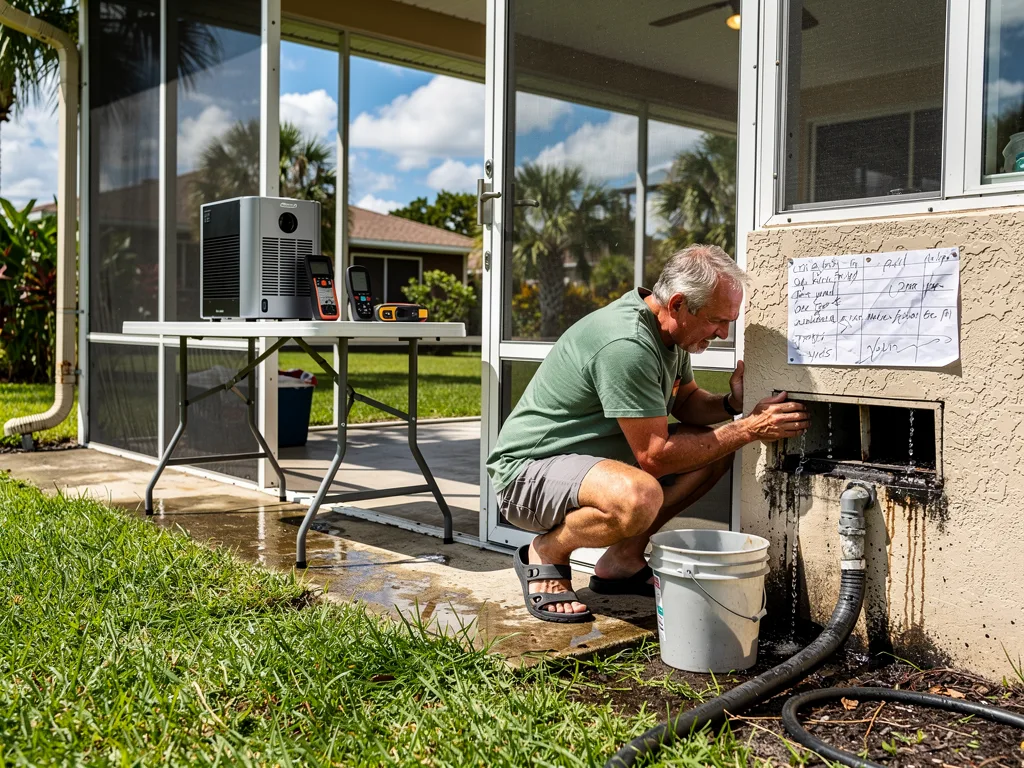
Short-term measures can help. If you notice a small leak, shut off the water supply only if you can do so safely. Move belongings away from the area and ventilate by opening windows if weather allows. Document the scene with photos before you start any cleanup. Use towels to blot excess moisture and remove standing water with a sump pump or towels, depending on the size of the area.
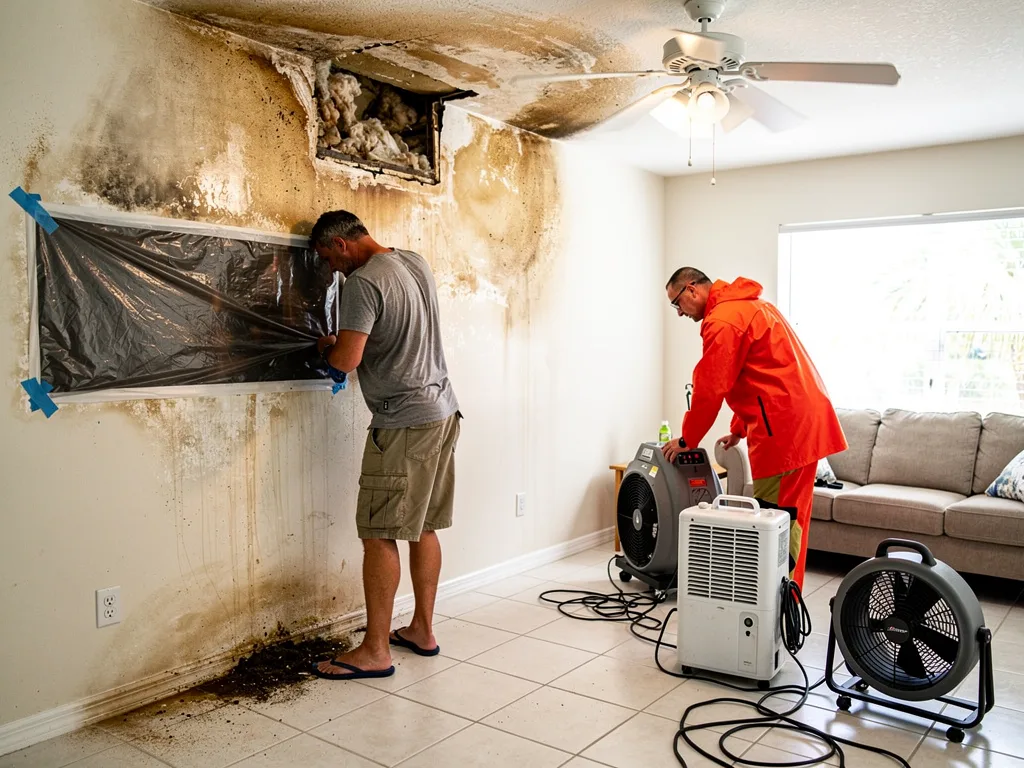
Keep in mind that large or persistent moisture requires professional equipment. A restoration specialist uses industrial-grade dehumidifiers and moisture meters to ensure materials dry evenly and stay within safe humidity levels.
When a pro should handle the job
Any situation where water is saturating walls, ceilings, or floors, or where you can’t quickly identify the source, calls for a restoration specialist. In Florida, rapid response helps limit secondary damage like wood warp or mold growth. A pro will contain the area, evaluate structural integrity, and set a realistic drying plan with checkpoints.
Expect a clear explanation of the process, a written assessment, and a schedule that fits your life. Florida Water Damage serves homeowners statewide with transparent communication and practical steps to restore safety and comfort.